About
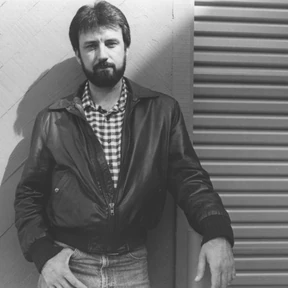
Widely regarded as the most musically accomplished member of '60s pop icons the Monkees, Michael Nesmith also had the most interesting and diverse solo career among his bandmates. A respected guitarist and songwriter, Nesmith was the first member of the "pre-fab four" to play on their recordings, and he penned memorable tunes for the group like "Papa Gene's Blues," "You Just May Be the One," "Circle Sky," and "Listen to the Band." Nesmith already had a career in music before joining the Monkees, and wrote the song "Different Drum," which became a hit for Linda Ronstadt and the Stone Poneys in 1968. Nesmith was the first Monkee to cut a solo album, the richly orchestrated 1968 release The Wichita Train Whistle Sings, and the string of albums he released between 1970 and 1973 (including Magnetic South, Loose Salute, and Pretty Much Your Standard Ranch Stash) were prescient country-rock efforts that grafted rock & roll energy to authentic C&W sounds. Stylistically ambitious, he also created a multi-media concept album, The Prison (1974), explored updated pop sounds on 1977's From a Radio Engine to the Photon Wing (which included the hit single "Rio"), and 1979's Infinite Rider on the Big Dogma, and was the first artist to win a Grammy in the Music Video category for 1981's Elephant Parts, which combined music clips with comedy sketches. From the mid-'80s onward, music took a back seat to Nesmith's other projects, including running his video production company Pacific Arts and producing films like Repo Man. But he continued to release music when his muse came calling, such as the electronic-oriented Rays (2005), a career-spanning companion piece to his memoirs (2017's Infinite Tuesday: Autobiographical Riffs: The Music), and a recording project with the reunited Monkees (2016's Good Times!).
Genres