Rage Against the Machine
10.3M
2.0M
Rage Against the Machine on WebsiteRage Against the Machine on InstagramRage Against the Machine on YouTubeRage Against the Machine on FacebookRage Against the Machine on TwitterRage Against the Machine on SpotifyRage Against the Machine on Apple MusicRage Against the Machine on SoundCloudRage Against the Machine on Wikipedia
About
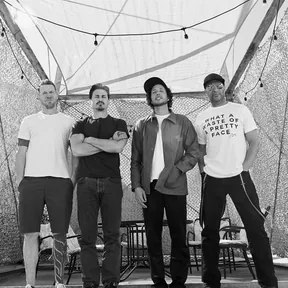
Outspoken firebrands and activists Rage Against the Machine have educated masses of heavy music fans by injecting their bombastic Molotov cocktail of rap, hardcore punk, funk, and metal with a sobering dose of fiercely polemical, politically charged urgency. Crashing the mainstream in 1992 with "Killing in the Name" -- their sonic protest against police brutality and systemic racism -- the band planted their flag in the scene with their triple-platinum debut, Rage Against the Machine, which courted controversy with its graphic cover of a protesting, self-immolated Buddhist monk. For the remainder of the decade, Rage continued to push this anti-authoritarian and revolutionary message, extending their platinum streak with subsequent chart-topping Grammy winners Evil Empire (1996) and The Battle of Los Angeles (1999). At the turn of the millennium, it seemed like they would show no signs of relenting, balancing sales and chart success with headline-grabbing demonstrations (like shutting down the New York Stock Exchange for a video shoot). However, in late 2000, the band imploded and decided to take a break. After issuing a covers album, Renegades, members went on to pursue other projects, with vocalist Zack de la Rocha going solo and the rest of the group forming Audioslave with Soundgarden frontman Chris Cornell. Into the 2010s, a rumored comeback album never materialized, but the band remained a fixture on the cultural landscape, performing shows and working on side projects such as Prophets of Rage. At the turn of the next decade, Rage made another official comeback, charting a global reunion tour in 2020 that was sidelined by the outbreak of the COVID-19 pandemic. That same year, in the midst of international protests against police brutality, their seminal debut struck a chord with demonstrators, reentering the U.S. charts as every one of their albums hit the Top 30 on streaming services.
From 🇺🇸 United States
Genres